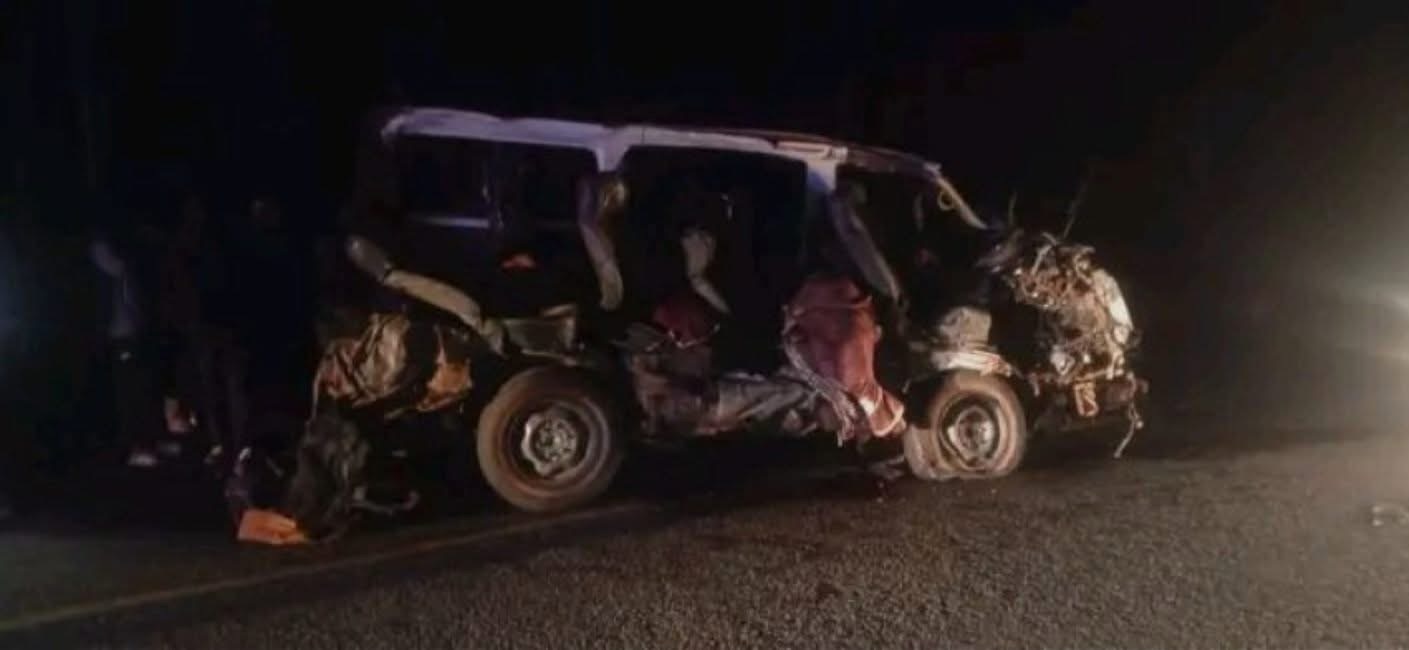
Transport Cabinet Secretary Davis Chirchir has highlighted the heavy toll road accidents take on Kenya, both economically and socially, revealing that the country could be losing up to Sh800 billion annually due to road crashes.
He said the losses, which he estimates at about five per cent of the nation’s Gross Domestic Product, are “too expensive for the economy and too painful for families.”
“Road carnage is one area we are still struggling with, and arresting it is extremely costly for any economy,” Chirchir said on Wednesday.
“We have computed that road crashes cost up to five per cent of GDP. That translates to about Sh800 billion lost to the economy when we lose our loved ones on our roads.”
The CS stressed that the impact of accidents extends far beyond financial losses, leaving families devastated, particularly those who lose their main earners. Reckless driving, over-speeding, and drunk driving, he said, are taking an immeasurable toll on human lives.
Chirchir noted that the government, in collaboration with the National Transport and Safety Authority (NTSA), is ramping up road safety education, especially ahead of the festive season when travel spikes across the country.
“NTSA is managing and helping us by educating Kenyans to be safe on the roads as we travel for Christmas,” he said. “It is important to reiterate that we must stay safe, drive responsibly and ensure we are properly captured and compliant on our roads so that we travel safely and come back safely.”
The CS singled out night-time driving, fatigue, and alcohol consumption as major factors behind fatal crashes, warning that many accidents could be prevented if drivers took proper precautions.
“If you think about how we drive on our roads, many incidents happen late at night when people are drunk, fatigued or extremely tired,” he said. “You could easily fall asleep on the steering wheel, and that is deadly.”
As the Christmas travel period approaches, Chirchir urged motorists to prioritise rest over speed, noting that stopping to rest or spending a night at a safe location is far safer than pushing on while exhausted.
“When you are tired, it is better to look for a safe place to rest or sleep over and continue your journey the next morning,” he said. “No trip is worth a life.”
He called on everyone using the roads—drivers, passengers, and pedestrians—to take responsibility for their actions, emphasising that road safety depends on collective discipline. While the government continues to enforce traffic rules and raise awareness, Chirchir said the ultimate change will come from cautious behaviour by all road users.